


Cosmetic


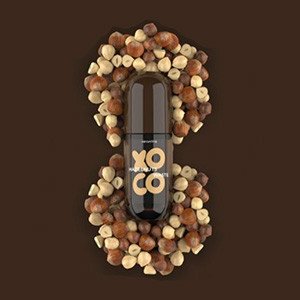
At Paris Packaging Week 2026 and Cosmoprof Bologna 2026, Berlin Packaging Beauty presented XOCO — a revolutionary material for cosmetic packaging made from upcycled hazelnut shells. The polypropylene-based compound with 10% organic filler is fully recyclable in standard PP streams.
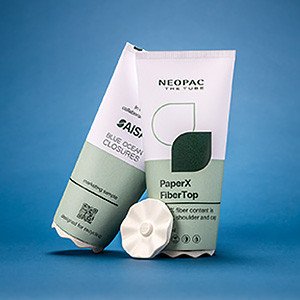
Swiss tube manufacturer Neopac unveiled a revolutionary development at Pharmapack in Paris — the PaperX FiberTop Tube, the first tube made entirely from wood-fiber-based material with about 85% fiber content. The development is designed to help cosmetic and pharma brands meet the requirements of the new EU Packaging and Packaging Waste Regulation (PPWR).
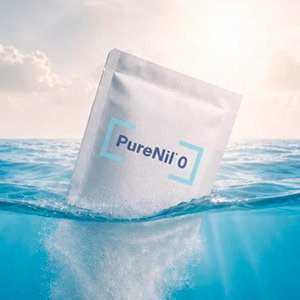
Lactips (France) and SmartSolve (USA) have formalized a global strategic partnership and brought to market PureNil™ 0 — the world's first fully plastic-free, dispersible, printable flexible packaging for cosmetics and personal care.
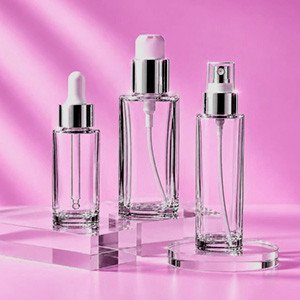
On 4 September 2026, Indorama Ventures and German cosmetics packaging maker REBHAN launched LUXYCLEAR EBM PET 5508, a specialty PET grade that produces thick-walled bottles with glass-like clarity while retaining the lightweight, shatter-resistant benefits of plastic, with versions containing up to 100% chemically recycled content.

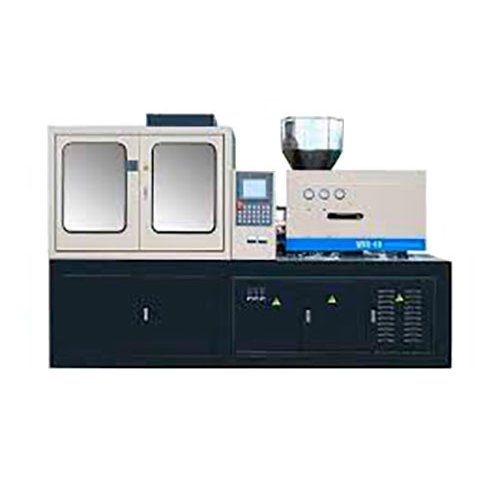
GSS Cosmetics (Moscow), a contract cosmetics manufacturer, has launched production of exclusive-shaped plastic bottles on its own blow-molding line at the Pushkino complex to GMP standards, making unique packaging formats available to Russian brands without long import chains.
SPLAT (SPLAT Global) has launched production of kids' toothpaste in recyclable packaging at its Organic Pharmaceuticals plant in Okulovka, starting the category-wide shift to an eco-friendly tube format.

Packaging is an integral part of the cosmetics and household chemicals industry. It not only protects the product from external influences but also performs essential marketing and consumer convenience functions.
Counteraction to the microbial environment is the most important component of a healthy lifestyle for a modern person. Every day we are faced with a mass of pathogenic microorganisms that must be destroyed in a timely manner, primarily from the hands, as the most contaminated parts of the body.
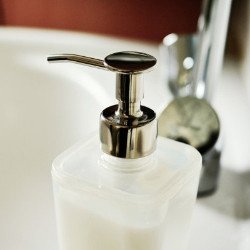
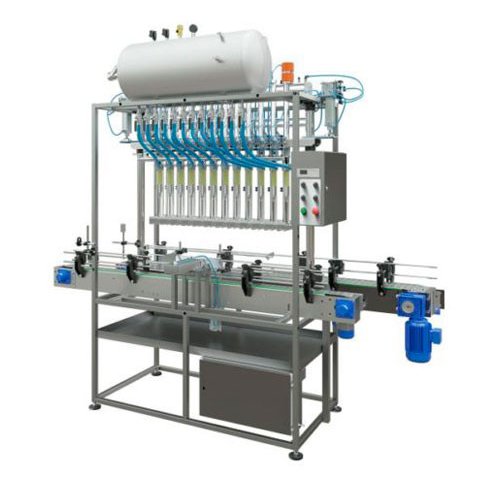
Over the past three years, the volume of production of liquid soap in our country has grown by almost 1.5 times - from 2.5 thousand tons to 3.8 thousand tons. The trend is caused, first of all, by the increased demand for this product: liquid soap is more convenient for consumers and today the traditional solid option has been significantly suppressed. We are increasingly meeting it in everyday life, at work, in service enterprises and public institutions, and the need for it is only growing. In this regard, the production of liquid soap is becoming an increasingly popular segment for investors.