June 26, 2025

On July 1, the second stages of labeling will begin for cosmetics and groceries.

Cosmetic

For "Cosmetics and household chemicals," manufacturers and importers will begin marking hair care products and deodorants. For "Groceries," the labeling will apply to spices, seasonings, sauces, and ready-to-eat soups. Anna Zhukova, a legislative expert at Kontur.Markirovka, spoke about the specifics of applying marking codes in these product categories.

The labeling of cosmetics and household chemicals is regulated by Government Decree No. 1681 dated November 30, 2024. According to the decree, the second stage of labeling includes:

  • Shampoos
  • Hair sprays
  • Products for curling or straightening hair
  • Hair removal products
  • Products used before, during, or after shaving
  • Bath preparations
  • Individual deodorants and antiperspirants
  • Air fresheners and deodorizing products for indoor use


Exemptions from labeling include:

  • Products with a volume of up to 5 milliliters or a weight of up to 5 grams inclusive
  • Goods sold loose in stores and packaged in the presence of the consumer
  • Agarbatti — incense sticks that release fragrance when burned
  • Solutions for storing contact lenses or ocular prostheses and eye drops for contact lenses


Unmarked stock introduced into circulation before the start of mandatory labeling can be sold until the expiration date of the goods. Importers have until August 31, 2025, to label products purchased before the labeling launch but imported afterward.

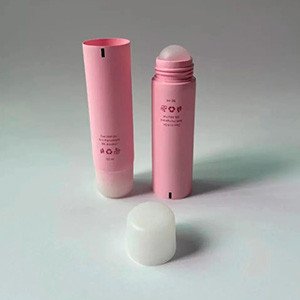
Hair care products and deodorants have specific labeling requirements. For example, labeling codes may not adhere well to aluminum tubes due to their slippery surface. Manufacturers and importers can use laser marking or incorporate the Data Matrix code into the tube’s design.

Among bath products are aromatic bath bombs. These are typically wrapped in heat-shrinkable film and sold either individually or as part of a set. There are conditions under which such bath bombs do not require labeling. Check the consumer information label: if it includes the country of origin, product name and address of the manufacturer, ingredients, net weight, dimensions, shelf life, and usage instructions, then the item must be labeled both individually and if sold as part of a beauty box. The set must bear a marking code on both the bomb itself and the outer packaging. If this information is missing from the label, labeling is not required. If a bath bomb is sold as part of a set, only the set needs to be marked using an aggregation code.


Labeling of groceries is governed by Government Decree No. 1682 dated November 30, 2024. In the second phase, mandatory labeling applies to:

  • Vanilla, cinnamon, cloves, nutmeg, mace, cardamom, star anise seeds, fennel seeds, coriander seeds, cumin seeds, juniper berries, ginger, saffron, turmeric, thyme, bay leaves, curry powder, and other spices
  • Dried whole or cut vegetables (including sliced, crushed, or powdered): onions, mushrooms, etc.
  • Pepper and other spices
  • Vinegar, ready-made sauces, sauce mixes, prepared mustard, and mustard powder
  • Dry soups, broths, and soup bases
  • Dried plants used in perfumery, pharmacy, or as insecticides


Exempt from labeling:

  • Dried potatoes
  • Sauces and prepared mustard weighing 30 grams or less
  • Pepper and spices weighing 1 gram or less
  • Ready-made soups and broths weighing 10 grams or less
  • loose goods packaged in the presence of the consumer


Sales of unmarked inventory introduced before the labeling start date are allowed until the expiration date of the goods. Importers are given one month to label goods purchased before the labeling deadline but crossing the border after it comes into effect.

One notable feature within this product category is the sale of spices and seasonings in bulk at markets or stores. These goods often come from abroad and are transported in large packaging such as bags or boxes. Neither the transport packaging nor the individual containers filled on-site need to be labeled. However, if the transport packaging is sold directly to end consumers, for example on marketplaces, it must be labeled.


Source: New Retail

Latest posts by email:
To subscribe to the newsletter, first Come in Either Register

Other news

Pharma

In today’s world, effective resource management is becoming an increasingly crucial aspect of successful business operations. This is especially true for industries where equipment plays a key role—such as pharmaceuticals, cosmetology, and the food industry.

02.10.2025
Food

SIBUR and its partners have launched the industrial production of HAGL film with antifog effect, a universal domestic material for sealing plastic trays with ready-made food, at "BIAXPLEN" in Nizhny Novgorod. The tray and film are a monopolymeric solution that can be recycled without pre-sorting.

17.09.2026
Cosmetic

Kaluga-based polymer packaging manufacturer "Plant Protey" has launched a second production site in Zhukov: investments have exceeded 4 billion rubles, and the capacity of single—stage PET technology has increased by 80% to 800 million vials and cans annually.

17.09.2026
Pharma

""PSK Pharma" company has completed a major project to modernize the production site of capsules with powder for inhalation at its own enterprise in the "Dubna" special economic zone. Investments exceeded 1 billion rubles, which made it possible to double the capacity of the line — from 80 to 160 thousand capsules per hour — and purchase new analytical and tablet equipment.

17.09.2026
Food

JSC "Packaging" Packaging Systems, the largest Russian manufacturer of aseptic cardboard packaging (formerly the Russian "subsidiary" of Tetra Pak), intends to increase the capacity of the plant in Lobnya, Moscow region, by 50% — from 4 to 6 billion packages per year. The total investment in the project for 2024-2027 will amount to about 6 billion rubles, and the expansion is scheduled to be completed by the end of 2027.

16.09.2026
Cosmetic

The Russian full-service cosmetics company ESTILAB has invested about 200 million rubles in the relocation of the production site from Khimki to the Dubna science city. A new high-tech complex with an area of 6500 square meters. m will start operating at full capacity in November, increasing annual production for the ICON SKIN and DE_CODE brands from 3 to 5 million units.

16.09.2026
Pharma

PJSC "Biosynthesis", one of the largest pharmaceutical enterprises in the Penza region, is preparing to launch a reconstructed production site for tablet dosage forms. The volume of investments in the project is 350 million rubles, and the implementation will increase the production of drugs, including those included in the list of VED.

16.09.2026
Cosmetic

Glaspray, a manufacturer of cosmetic packaging, has introduced a patented innovation — a one-piece bottle with a dispenser made entirely of polyethylene terephthalate (PET) monomaterial. The new product is designed for reusable and waste-free recycling.

15.09.2026
Pharma

Pharmaceutical manufacturer "Nizhpharm" announced the launch of a new line of packaging and packaging of soft dosage forms. The volume of investments in the project amounted to 158 million rubles, the maximum speed of the equipment reaches 270 packages per minute, which will increase production by 50%.

15.09.2026
Food

High-tech production of aluminum cans for the beer and alcohol industry has been launched in the Voronezh special economic zone "Center". The "Alba Voronezh" plant was built in just 11 months with an investment of about 12 billion rubles and is already reaching a capacity of up to 4 thousand cans per minute. This is one of the key steps towards import substitution of packaging in the Russian food industry.

14.09.2026
Cosmetic

In Solnechnogorsk (Moscow region) A new production complex of the cosmetics company "Mixit" has been opened with a full production cycle: from formula development to packaging. Investments in the project amounted to 1.4 billion rubles, and the capacity allows to produce up to 14 million units of cosmetic products per month — twice as much as now.

14.09.2026
Cosmetic

By the end of 2024, the volume of the Russian cosmetics, perfumes and body care products market reached ₽1.11 trillion, showing an increase of +16.8%. At the same time, the production of domestic products increased by 16% to almost 464 thousand tons, and the number of local producers doubled in three years, exceeding 800 companies.

08.09.2026